Yes, cats do eat bird bones, and it happens more often than most owners expect. When a cat catches or scavenges a bird, it rarely stops at the soft tissue. Small hollow bird bones get crunched, swallowed, and sometimes become a real problem. The bones themselves are not automatically safe just because they come from a wild bird rather than a cooked chicken. Sharp fragments can lodge in the esophagus, puncture soft tissue, or cause an intestinal blockage. Most cats will be fine, but enough cases end up at the vet that you should know what to watch for and what to do right now if your cat just ate a bird. If your cat is acting off after eating a bird, it can be sick from more than just the bones, so contact a vet for advice ate a bird.
Do Cats Eat Bird Bones? Risks, Safety, and Prevention Tips

Maya Bennett
4 Jul 2026
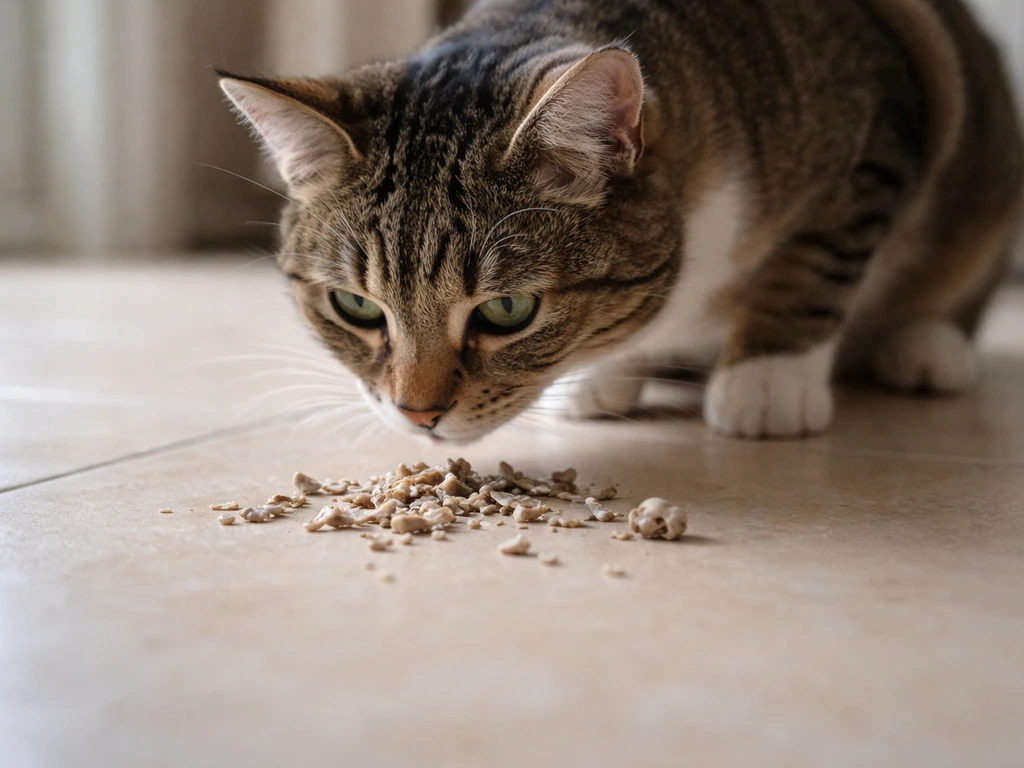
Do cats realistically eat bird bones?
Absolutely. If you are wondering whether do cats eat bird eggs, the same predation behavior that leads to bones can also put eggs at risk when cats have access to nests Absolutely.. USDA APHIS documentation on free-ranging and feral cats confirms that when cats are hungry or in a predatory state, they often consume whole prey including the bones and organs, not just the meat. A domestic cat with outdoor access is doing the same thing its feral cousins do. Even an indoor cat that gets hold of a bird carcass near a feeder can get into the bones quickly. The bones of small songbirds are thin and hollow, so they splinter rather than crunch cleanly. Larger birds, like pigeons or starlings, have denser bones that also fragment into sharp pieces when a cat chews them.
The myth that raw bird bones are always safe because they are 'natural' needs some pushback. While raw bones are less brittle than cooked bones, they still splinter, especially the thinner wing and leg bones of small birds. A cat is not in a controlled feeding situation when it is consuming a wild bird on your lawn. It is eating fast, often swallowing pieces whole, and may ingest bone fragments along with feathers, dirt, and whatever pathogens the bird was carrying. Even if cats seem curious about bird feathers, letting them handle feathers and tissue from a wild bird can still expose them to sharp fragments and pathogens play with bird feathers. The context matters a lot here.
The main risks when a cat eats bird bones
Sharp fragments and esophageal injury
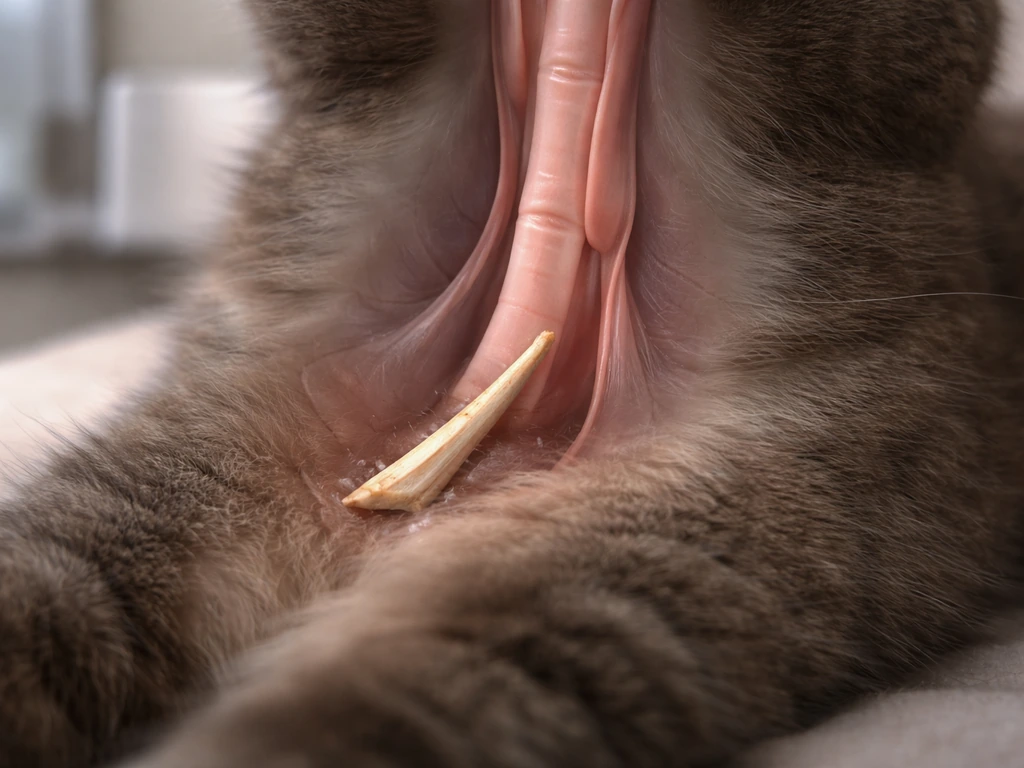
The esophagus is the first danger zone. A 2019 case series on feline esophageal foreign bodies found that bones accounted for about 16.7% of cases (5 out of 30), requiring endoscopic removal or in some cases surgery. Once a bone fragment gets stuck in the esophagus it causes irritation and can damage the tissue lining. The Merck Veterinary Manual lists regurgitation, drooling, difficulty swallowing, pain, depression, and the cat extending its head and neck as classic signs that something is wrong in the esophagus. If you see any of those, do not wait.
Choking and obstruction
Choking is the acute version of the problem. A bone fragment that is too large to pass down the esophagus can obstruct the airway or get wedged above the stomach. PetMD notes that esophageal obstructions are diagnosed with an endoscope, and the symptoms overlap heavily with those above: drooling, gagging, pawing at the mouth, repeated swallowing attempts. A cat that is actively struggling to breathe or making distressed noises after eating a bird needs emergency care immediately.
Intestinal injury and perforation
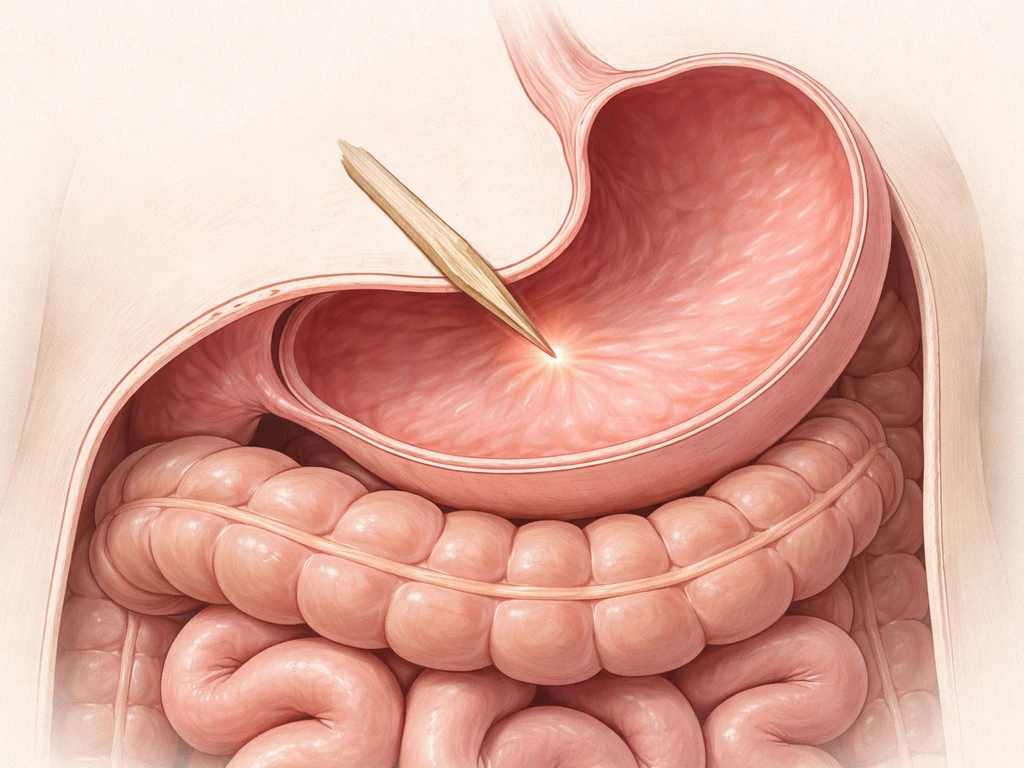
Even if a fragment makes it past the esophagus, it can cause trouble further down. Sharp bone splinters can scratch or puncture the stomach lining or intestines. The Merck Veterinary Manual notes that whether a GI foreign body requires surgery depends on its location, shape, and whether complications are suspected. A small smooth fragment often passes on its own, but a sharp sliver is a different story. Intestinal perforation is rare but serious: symptoms include lethargy, loss of appetite, a visibly painful or bloated abdomen, and vomiting.
What to do right now if your cat ate a bird or bird bones
First, stay calm but do act immediately. Do not try to induce vomiting at home. Cats are not dogs, and making them vomit up bone fragments can cause more damage on the way back up. Here is a practical order of steps: If you are also wondering can a cat eat a whole bird, the safest approach is still to prevent any bird access and seek veterinary advice for any suspected ingestion.
- Remove any remaining bird remains or bone fragments from your cat's reach.
- Check your cat's mouth carefully (if it will tolerate it) for visible bone pieces caught in the teeth, tongue, or back of the throat. Do not reach blindly into the mouth.
- Watch your cat closely for the next 24 to 48 hours. Keep notes on what you observe.
- Call your vet and describe exactly what happened: what kind of bird, how much was eaten, and whether any bones are missing from the carcass. A phone triage call can help you decide if you need to go in right away.
- If you see any of the red-flag symptoms below, go to an emergency vet, not tomorrow's appointment.
Red-flag symptoms that need emergency vet care
- Choking, gasping, or open-mouth breathing
- Drooling heavily or pawing constantly at the mouth or face
- Repeated retching or gagging without producing anything
- Visible distress or pain when swallowing
- Lethargy or sudden collapse
- Blood in vomit or stool
- A hard, distended, or painful abdomen
When it's an emergency vs when you can monitor at home
This is the question every owner asks, and the honest answer is that it depends on how much was eaten and what your cat is doing right now. A cat that ate a small amount of thin bird bones, is acting completely normal, eating and drinking, and has no symptoms in the first few hours is a reasonable monitor-at-home candidate with a vet phone call. If you are wondering, “will my cat eat my bird,” the safest assumption is that it might, so treat any bird ingestion or bone exposure as time-sensitive. A cat showing any of the red-flag symptoms above is an emergency, full stop.
| Situation | Recommended Action |
|---|---|
| Cat acting normal, ate a small amount, no symptoms after 1-2 hours | Call vet for phone triage, monitor closely for 48 hours |
| Cat drooling, gagging, or repeatedly swallowing | Call vet immediately, likely needs same-day appointment |
| Cat choking, can't breathe, pawing at mouth | Emergency vet now, do not wait |
| Vomiting blood or black/tarry stool | Emergency vet now |
| Cat is lethargic, off food, or has a painful belly after 12-24 hours | Vet appointment same day, may need imaging |
| Cat ate large quantity of bones from a bigger bird | Proactive vet call even if symptoms are mild |
It is also worth knowing that bird carcasses carry pathogens beyond just physical injury risk. H5N1 avian influenza is currently circulating, and the University of Florida Shelter Medicine Program specifically flags cats with outdoor access as higher-risk for exposure. Iowa's Department of Agriculture advises keeping pets away from sick or deceased wild birds for exactly this reason. So even if the bones pass without incident, a vet call is smart if your cat consumed a wild bird, especially if the bird seemed sick before death. Because of that, even when you are unsure whether do cats eat bird feathers, it is wise to contact a vet after your cat consumes any wild bird.
Keeping your cat away from birds near feeders and in the yard
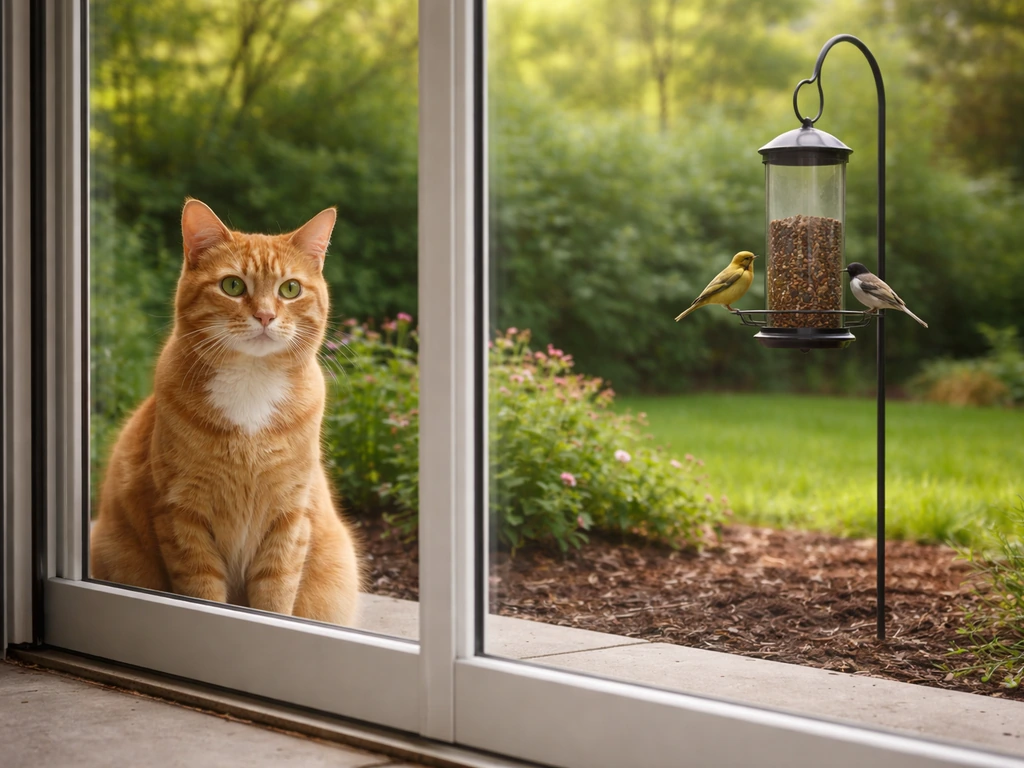
The most effective way to prevent bone ingestion is to prevent the predation in the first place. The ASPCA's general cat care guidance is blunt: keep your cat indoors. That single change eliminates the vast majority of bird predation risk. The American Bird Conservancy supports this with data showing cats are one of the leading causes of direct bird mortality. If full indoor living is not realistic for your cat, contained outdoor options are much better than unsupervised roaming.
- Catios (enclosed outdoor cat enclosures) let cats experience outside without hunting access
- Leash walking with a harness gives supervised outdoor time with you in control
- Cat-proof fencing systems can limit roaming in your yard
- Bell collars reduce hunting success, though they are not foolproof
- Keep cats indoors during peak bird feeding times, typically early morning and late afternoon
If you run a backyard feeder, feeder placement matters a lot. Mount feeders at least five feet off the ground and at least ten feet from any shrub, fence, or structure a cat could use to launch a pounce. Ground feeding birds like doves and sparrows are the most vulnerable, so avoid scattering seed directly on the ground if cats have access to your yard. Tube feeders and hanging trays positioned well away from cover give birds more reaction time.
Safe practices for bird food, feeders, and handling carcasses
Handling dead birds safely
If your cat brings you a bird, or if you find a dead bird near your feeder, handle it properly. Massachusetts public health guidance recommends using gloves and a surgical mask, placing the carcass in a thick plastic bag, and sealing it before disposal. The CDC echoes this for general wildlife handling: wear gloves, avoid touching your face, and wash hands thoroughly with soap and water afterward. Do not let your cat have further access to the carcass once you have retrieved it.
Never leave a bird carcass in the yard, even partially buried. Cats will find it. So will other wildlife, which creates its own risks. Double-bag it and put it in an outdoor trash bin with a secure lid.
Bird food storage and feeder hygiene
Proper seed storage does not just keep bird food fresh, it also reduces the chance of attracting rodents that could in turn attract cats (and the predatory behavior that goes with it). Store seed in airtight metal or heavy-duty plastic containers with locking lids, off the ground, and away from moisture. Rotate your stock and discard any seed that smells musty or shows signs of mold, as moldy seed is a health risk to birds and can attract pests.
- Clean feeders every one to two weeks with a 10% bleach solution, rinse thoroughly, and let dry before refilling
- Remove uneaten seed from the ground below feeders daily to avoid attracting rodents and keeping cats on high alert near the feeder zone
- Use baffles on feeder poles to prevent cats (and squirrels) from climbing up
- Consider placing feeders inside a fenced area if stray or neighbor cats are a persistent problem
- Avoid placing feeders directly outside windows at ground-floor level if your cat has window access and tends to get activated by birds
Managing your yard as a bird-safe zone takes a little consistent effort, but it pays off in fewer casualties and fewer late-night vet emergencies. The goal is to give the birds visiting your feeder a real chance to see threats coming, while giving your cat a rich indoor environment that keeps the urge to hunt from running the show. Related concerns worth thinking through include what happens when cats eat birds whole, whether cats eat bird eggs they find near ground nests, and the broader question of whether a cat can get sick from eating a bird, since bones are only one piece of the risk picture.
FAQ
If I think my cat ate a bird bone, should I give food or water to “help it pass”?
Do not force food. Offer a small amount of water if your cat will drink normally, and keep food minimal until you have spoken with a vet. If a bone is stuck in the esophagus or airway, eating can worsen irritation or trigger vomiting.
How long after a cat eats a bird do symptoms usually show up?
Esophagus problems can appear quickly, often within minutes to a few hours (drooling, gagging, repeated swallowing, pain, head and neck extended). GI issues from sharp fragments may be delayed, commonly over the next day, so monitor for worsening appetite, vomiting, bloating, or lethargy for at least 24 to 48 hours.
What should I do if my cat is still acting normal but I found a partial carcass or feathers in its mouth?
Remove any remaining bird material immediately and prevent further access. Even without symptoms, call your vet for guidance, especially if it could have swallowed bone fragments. Take note of your cat’s behavior, breathing, and whether it can swallow normally.
Is it safer to try to remove a bone I can see in my cat’s mouth?
Only attempt if the bone is fully visible and easy to grasp without digging. Do not reach deep into the throat, and do not use fingers if your cat is struggling. If you suspect an esophageal obstruction, go by symptoms and seek urgent care instead of trying to “pull it out.”
Can cat cough or gag after eating a bird but still be okay?
Coughing or gagging can be from irritation, but it can also signal a partial airway or esophagus issue. If symptoms persist more than a short spell, get worse, or include drooling, labored breathing, or repeated swallowing, treat it as urgent and contact emergency veterinary care.
Does cooked bird bone splinter more than raw bird bone, and should I worry differently?
Cooked bones tend to be more brittle, but both cooked and raw bird bones can splinter, especially thin hollow bones from small birds. The key risk is sharp fragments causing cuts or blockage, so the safety plan is the same regardless of whether the bone was cooked or raw.
If the bone passes, what signs indicate a GI complication rather than “all good”?
Watch for vomiting that persists, refusal to eat, painful or distended abdomen, straining, weakness, or ongoing lethargy. Any blood in vomit or stool is a red flag. These can indicate injury or perforation and warrant prompt vet evaluation.
Should I induce vomiting or give hydrogen peroxide if I’m worried about bones?
No. Inducing vomiting can cause additional tearing or re-injury as material moves back up the esophagus. Stick to preventing further access and contact a vet for the right next step based on timing and symptoms.
My cat ate a bird but it was only feathers and no obvious bone. Should I still contact a vet?
Yes, because feathers can still come with tissue, dirt, and possibly small bone fragments, and because swallowing problems can start even if you did not see bones. If your cat is coughing, drooling, acting painful, or swallowing repeatedly, seek urgent care.
What’s the best way to prevent my cat from getting to birds without making everything unsafe for other wildlife?
Prioritize indoor time, or use supervised, contained options like a catio. If you use feeders, elevate and reposition them farther from cover, avoid ground scattering when cats can access the area, and remove any dead birds promptly so cats cannot scavenge them.
Next Articles
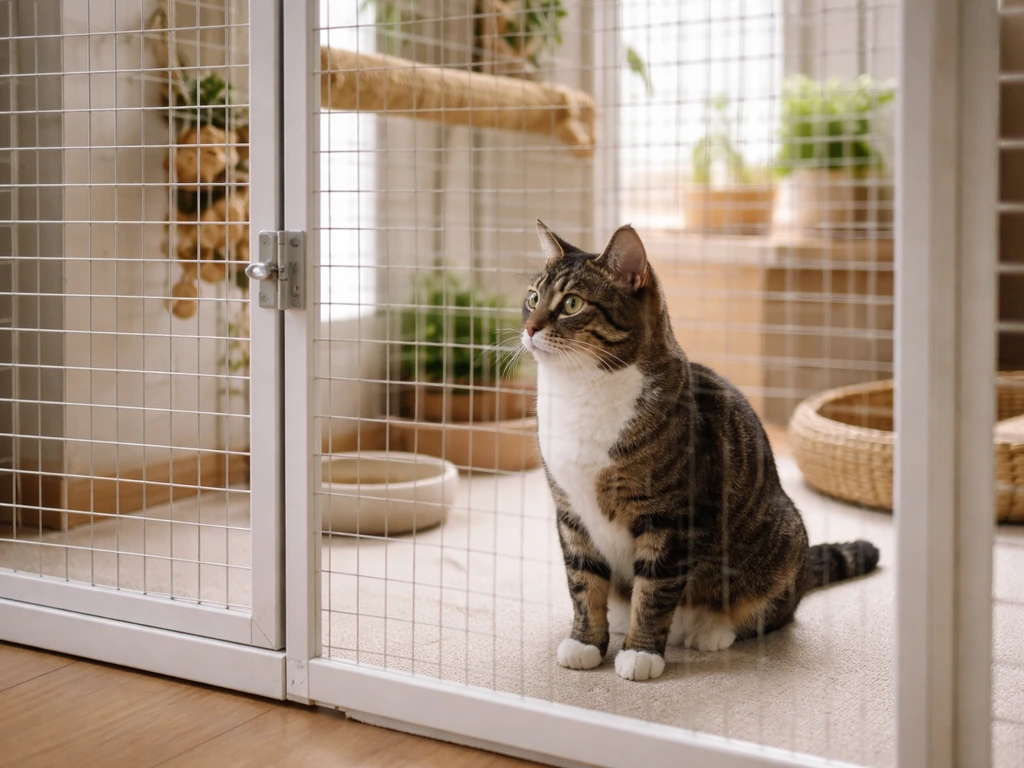
Will My Cat Eat My Bird? Risk, Signs, and Safe Steps
Know if a cat may attack your bird, spot danger signs, and set safe enclosures and supervision to prevent harm.
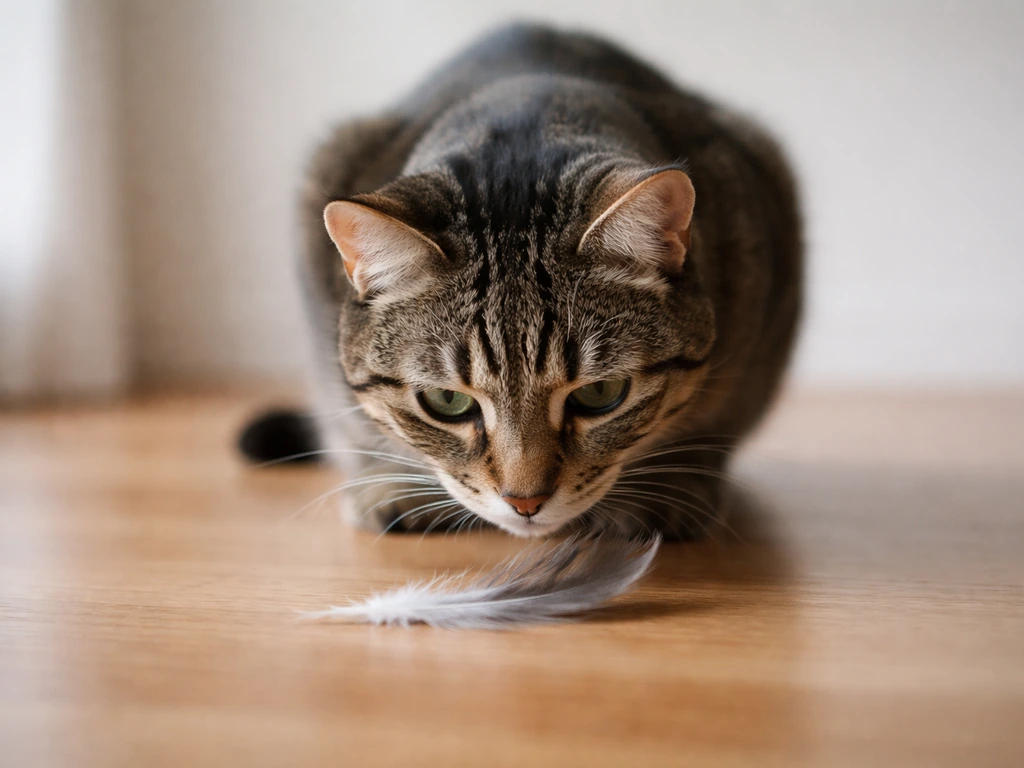
Do Cats Eat Bird Feathers? Risks, Symptoms, and What to Do
Can cats safely eat bird feathers? Learn risks like choking and gut blockage, symptoms, vet red flags, and prevention ti
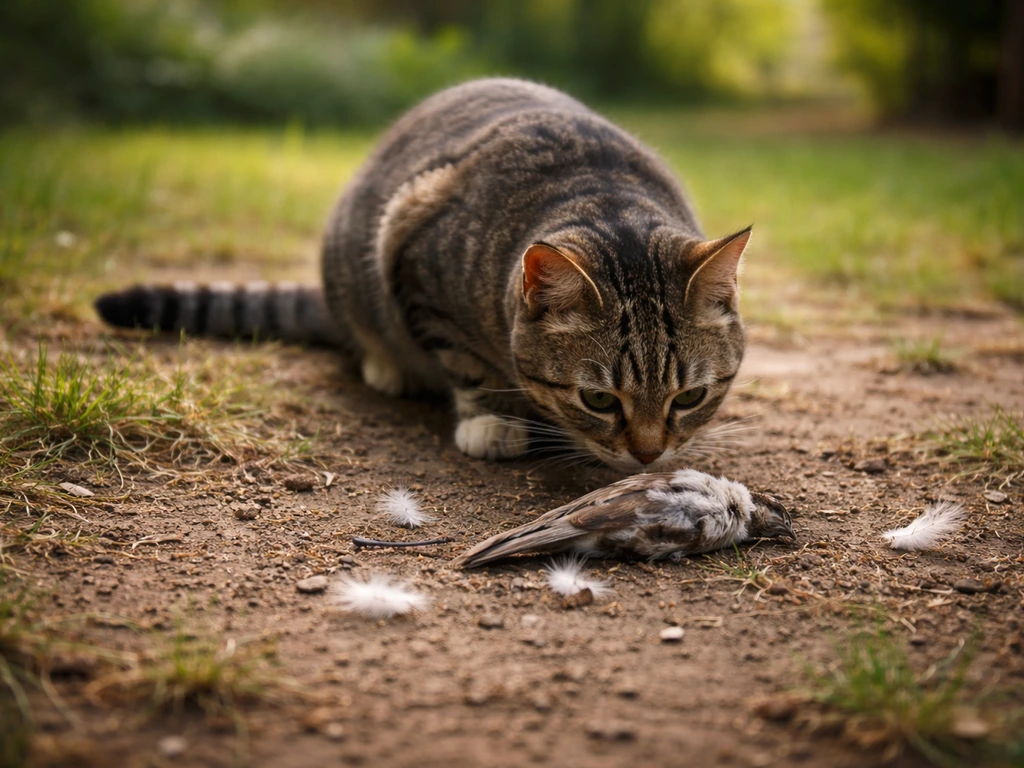
Can a Cat Get Sick From Eating a Bird? What to Do Now
Learn illness risks from cats eating birds or feathers, symptoms to watch, and exact steps for today and vet timing.