No, you cannot legally or safely eat a kiwi bird or its eggs. Kiwi are strictly protected under New Zealand's Wildlife Act 1953, meaning it is illegal to kill, possess, or even hold a kiwi egg without authorization. On top of that, wild birds carry real food-safety risks including Salmonella, Campylobacter, and avian influenza. There is no scenario where eating a kiwi bird or its eggs is a reasonable, safe, or legal option.
Can You Eat Kiwi Bird or Eggs? Safety, Laws, Risks

Maya Bennett
23 Apr 2026
What Is a Kiwi Bird, and Why Does That Matter Here?
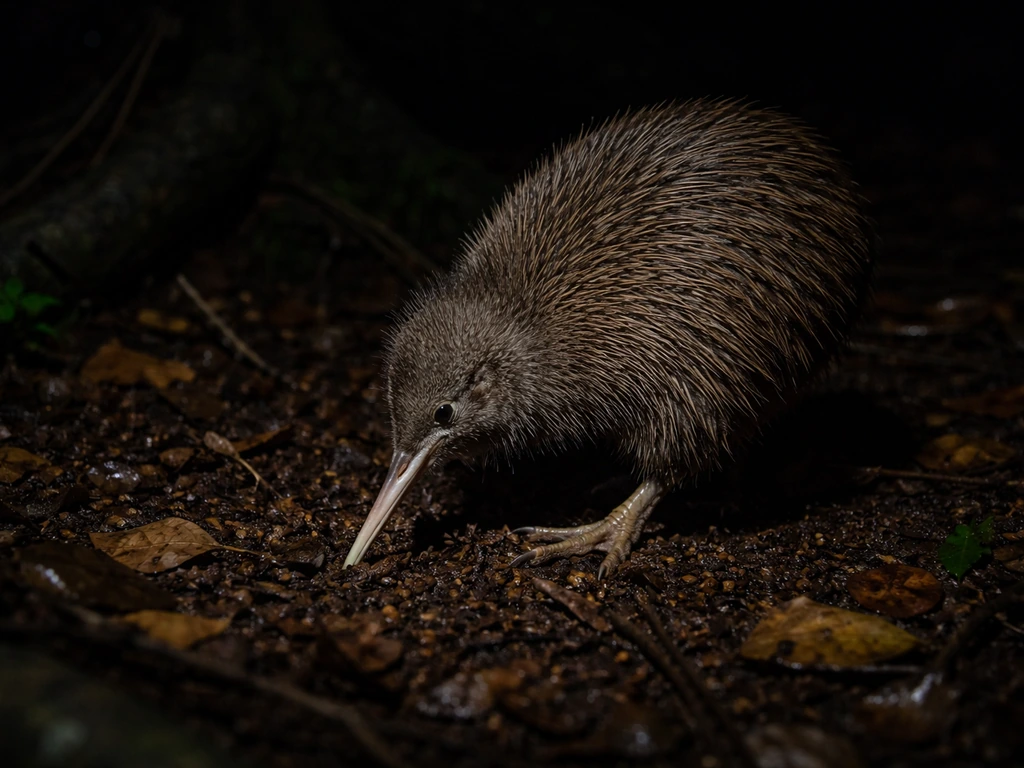
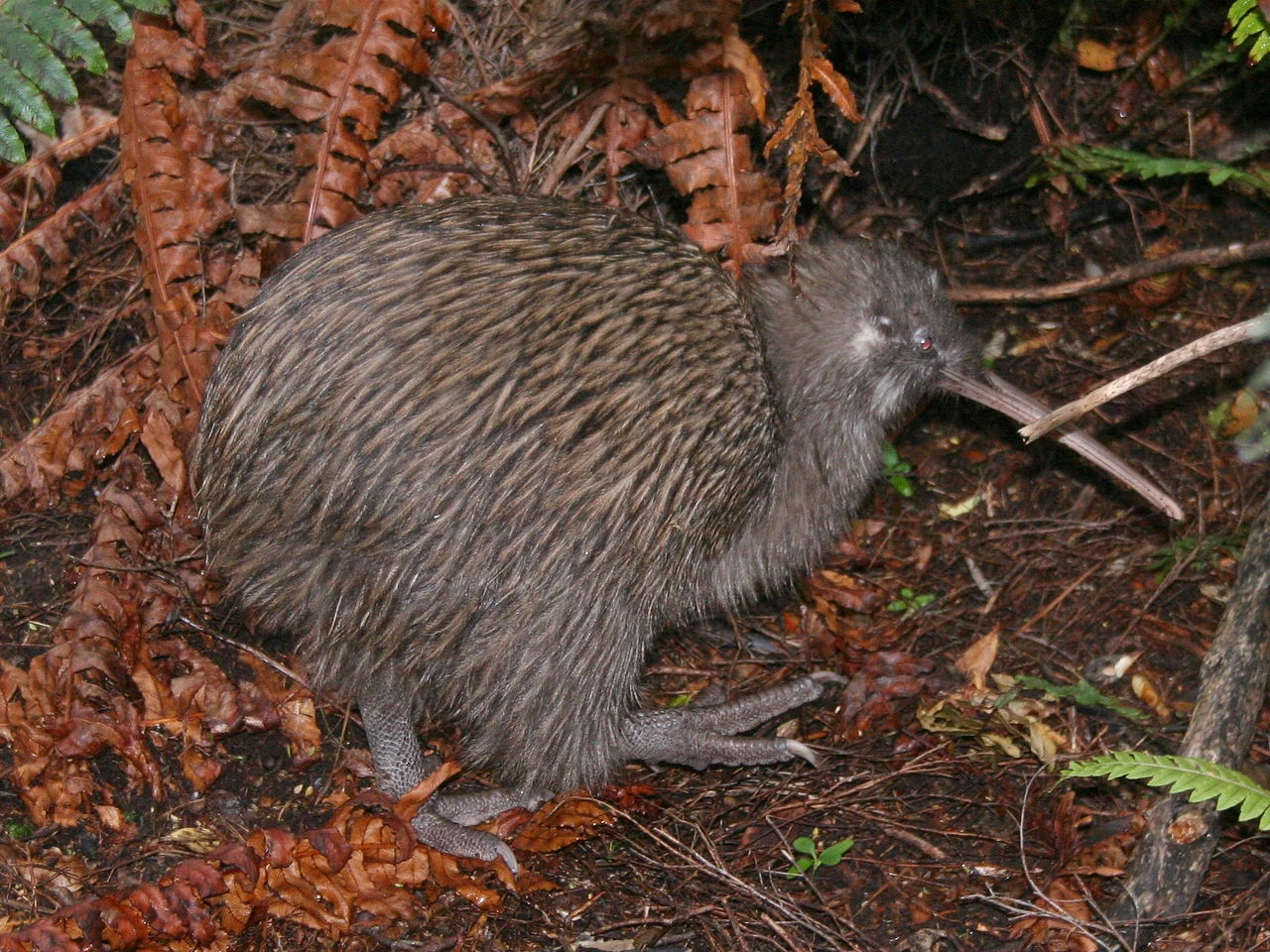
The kiwi (genus Apteryx) is a flightless, nocturnal bird native to New Zealand. There are five recognized species, including the North Island brown kiwi, the great spotted kiwi, and the Rowi (Okarito brown kiwi). Several of these species are listed as Vulnerable or Endangered on the IUCN Red List, and all of them are conservation-dependent, meaning they need active management just to hold their current numbers.
Kiwi are ground-foraging birds with a remarkable sense of smell. They use their long, sensitive bills to probe through forest-floor soil and leaf litter for earthworms, grubs, and other invertebrates. The little spotted kiwi also eats fruit from native trees like the hinau. This invertebrate-heavy, soil-contact diet is actually relevant to the food-safety discussion below, because it puts kiwi in close contact with soil-borne pathogens and parasites throughout their lives.
One of the biggest threats to kiwi survival is predation by introduced mammals: stoats, ferrets, feral cats, and dogs. New Zealand's Department of Conservation (DOC) runs a program called Operation Nest Egg specifically to counter this. Eggs and chicks are removed from the wild, hatched or raised in captivity, and released only when the juveniles are large enough to defend themselves. That program exists purely to protect kiwi, not as any kind of managed harvest.
The Law Is Clear: Eating Kiwi Is Illegal
New Zealand's Wildlife Act 1953 classifies kiwi as absolutely protected wildlife. That protection covers not just live animals but all parts of the animal, including eggs. You cannot legally kill, possess, buy, sell, or consume a kiwi or any part of one without a specific government permit. The Wildlife Regulations 1955 set out penalties for violations involving eggs or parts of absolutely protected species, including fines and potential escalation through the courts.
This is not a grey area or a technicality. Kiwi are a national symbol of New Zealand and receive some of the strongest legal protection of any bird in the country. If you are caught with a kiwi egg outside of an authorized conservation program, you are looking at real legal consequences, full stop.
Eating Kiwi Bird Eggs: Legal, Ethical, and Practical Considerations
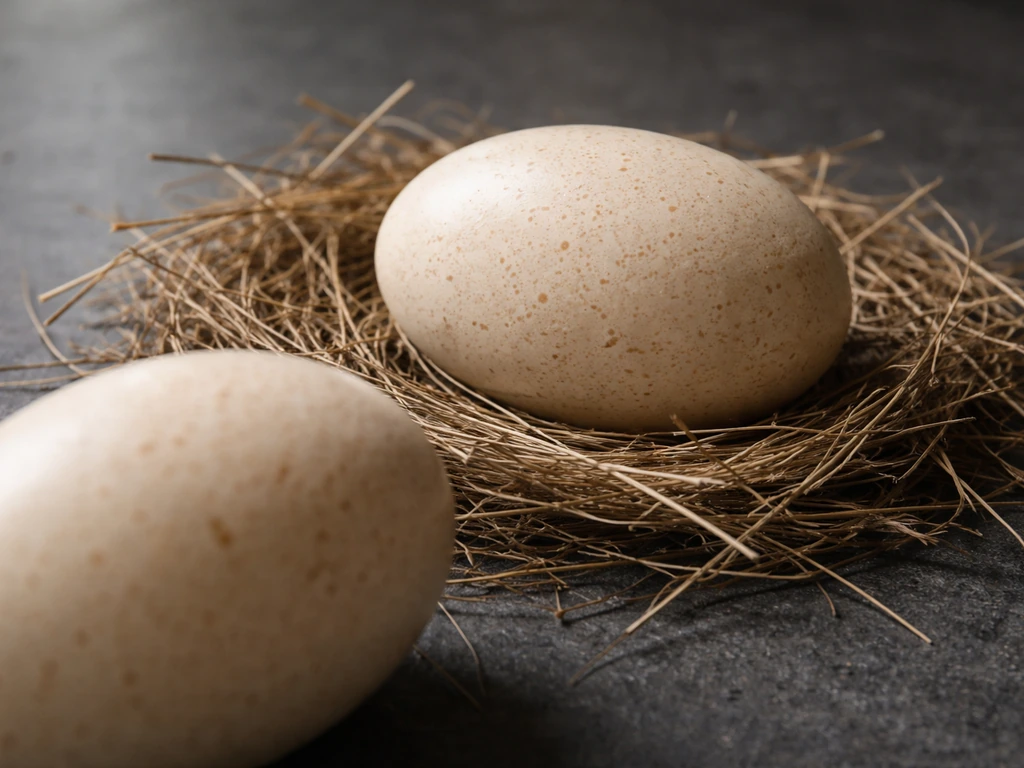
Kiwi eggs are large relative to the bird's body size, which sometimes sparks curiosity. But the legal situation described above applies just as firmly to eggs as to adult birds. Possessing a kiwi egg without DOC authorization is a criminal offence. The only people who legitimately handle kiwi eggs are conservation workers operating under the Operation Nest Egg program, and their goal is hatching and releasing those birds, not eating them.
Beyond legality, the ethics are straightforward. Kiwi populations are fragile. Each egg lost to human interference is one fewer chick in an already struggling species. Removing eggs from the wild, even out of curiosity, can derail the survival of a breeding pair's entire season. And practically speaking, a kiwi egg found in the wild would have no known incubation history, sanitation controls, or food-safety oversight, making it a genuinely risky thing to eat even if the legal barriers did not exist.
If you're curious about bird eggs more broadly, the ethical and safety picture is similarly complicated for other protected species. Killdeer bird eggs raise similarly serious legal and food-safety issues, so they are also off limits to eat. Killdeer bird eggs, for example, raise the same kinds of legal and safety questions as kiwi eggs, and the general rule applies across the board: wild eggs from protected birds are off limits.
Food Safety and Health Risks of Eating Wild Birds or Their Eggs
Even setting aside the law, eating a wild kiwi (or virtually any wild bird) carries serious food-safety risks. Wild birds are not raised in controlled environments, vaccinated, or inspected. They carry pathogens that domestic poultry flocks are actively managed to reduce.
- Salmonella and Campylobacter: These bacteria are common in wild birds and their environments. The CDC is explicit that raw animal products, including poultry and eggs, can harbor both. Proper cooking can destroy them, but wild birds often carry higher loads than commercial poultry.
- Avian influenza: The WHO identifies handling wild bird carcasses, defeathering, and preparing birds as specific risk factors for avian influenza exposure. Wild birds, including ground-foraging species, can carry influenza strains without showing obvious signs of illness.
- Parasites: Kiwi have been documented with parasitic infections, including cutaneous capillariasis (a nematode infection). Ground-foraging birds that eat invertebrates are regularly exposed to parasites through their prey and the soil environment.
- Other wildlife-borne illness: The CDC states plainly that wild birds can spread diseases to both pets and people. Handling or consuming wild birds or their eggs puts you in direct contact with that exposure risk.
Wild bird eggs carry their own specific risks. The FDA notes that even clean-looking shell eggs may contain Salmonella, and the USDA recommends against eating raw or undercooked eggs for exactly this reason. A wild egg found in a nest has no equivalent safety assurance to a pasteurized commercial egg. It may also have been partially incubated, making the food-safety picture even less predictable.
What to Do Instead: Safe Ways to Appreciate Kiwi
If you're genuinely curious about kiwi, there are good, legal, and safe ways to engage with them. New Zealand has several nocturnal wildlife viewing experiences where kiwi are observed in their natural habitat under guided conditions. Many wildlife sanctuaries, including Zealandia in Wellington and the Rainbow Springs Kiwi Wildlife Park in Rotorua, offer kiwi encounters under controlled conditions. These programs also directly fund the conservation work that keeps kiwi populations stable.
Supporting DOC and organizations like the Kiwis for kiwi trust is a genuinely useful next step if you care about these birds. Operation Nest Egg depends on funding and volunteer support. That is a far more meaningful way to interact with kiwi than anything involving trying to eat one.
Debunking the Myth That Wild Bird Meat or Eggs Are Safe to Eat
A lot of curiosity around 'can you eat [bird]' questions comes from a broader idea that wild bird meat is a natural, unprocessed food source and therefore probably fine. This is a myth worth addressing directly, especially for backyard birders who may also be wondering about safe feeder practices.
Wild birds are not safe to eat simply because they are 'natural.' The CDC and WHO are consistent on this: wild birds carry disease, and contact with them or their environments is a recognized exposure pathway for avian influenza, Salmonella, and other pathogens. Audubon even flags the disease risk at bird feeders, listing salmonellosis, avian pox, aspergillosis, and avian flu as illnesses that can move through feeder stations when hygiene is poor.
The same logic applies to peacocks, cuckoos, and other birds that sometimes show up in 'can you eat' searches. If you are also wondering can you eat cuckoo bird, the safe takeaway is similar: wild birds can carry disease and are generally not safe to catch or consume. If you're asking can you eat peacock bird, the safe takeaway is similar: wild birds can carry disease, and they are not automatically safe to catch or consume peacocks. While some culturally and legally permissible game birds do exist, the casual assumption that any wild bird is safe to catch and eat is genuinely dangerous, both for your health and for wildlife populations.
Safe Feeder Practices for Backyard Birders
If your underlying question is about how to interact safely with wild birds in your backyard, here is what actually matters. The goal is to enjoy birds without exposing yourself, your pets, or the birds themselves to unnecessary disease risk.
- Clean your feeders regularly: Project FeederWatch recommends soaking feeders in a diluted bleach solution (roughly 1 part bleach to 9 parts water) or a weak vinegar solution, scrubbing thoroughly, rinsing well, and allowing to dry before refilling.
- Discard spoiled seed immediately: If you see black mold, cloudiness in water feeders, or clumped wet seed, throw it out. Moldy seed can cause aspergillosis in birds and is a sign your feeder needs a full clean.
- Wash your hands after handling feeders: The CDC is direct about this. Feeder contact is a real exposure pathway for bird-associated pathogens. Soap and water for at least 20 seconds, every time.
- Keep pets away from wild bird areas: Cats and dogs can both pick up diseases from wild birds and their droppings. Keep feeding stations out of reach of pets where possible.
- Never handle sick or dead wild birds with bare hands: Use gloves and bag the bird before disposal, and wash thoroughly afterward. Contact your local wildlife authority if you find multiple dead birds in one area.
| Action | Why It Matters | How Often |
|---|---|---|
| Clean feeders with diluted bleach or vinegar | Kills Salmonella, mold, and other pathogens | Every 1-2 weeks (more often in wet weather) |
| Discard wet or moldy seed | Prevents aspergillosis and bacterial buildup | Whenever you notice it |
| Wash hands after feeder contact | Reduces personal exposure to bird-borne bacteria | Every time |
| Remove uneaten food from ground below feeder | Reduces rodent attraction and mold risk | Weekly |
| Inspect feeder for cracks or damage | Cracks harbor bacteria that cleaning can't fully reach | Monthly |
The bottom line: kiwi birds are protected, threatened, and genuinely unsafe to eat from a food-safety standpoint. The same caution applies to their eggs and to wild bird eggs in general. If you love birds, the best thing you can do is watch them, support conservation programs, and keep your feeders clean so the birds visiting your backyard stay healthy too.
FAQ
If I find a kiwi egg, can I legally keep it or take it home “just to look”?
No. Even having a kiwi carcass, feathers, or an egg shell in your possession can fall under the protected-wildlife rules. The key issue is possession of parts, not whether you intend to eat them.
What if I’m just trying to relocate an egg to “save it”?
It is still illegal to harm or handle kiwi outside of an authorized conservation role. There are rare cases where trained teams handle eggs as part of approved programs, but that authorization is specific to personnel and permits, not to well-meaning individuals.
Does cooking make eating kiwi bird or eggs safe or legal?
No. If you are thinking of eating kiwi meat, the conservation and safety logic does not change by cooking. Heat may reduce some bacteria, but it does not make wild birds or eggs automatically safe, and the legal prohibition still applies.
What should I do if I come across a kiwi in trouble or an egg in the wild?
If you want to protect yourself without handling anything, keep your distance, do not touch shells or nest materials, and wash hands thoroughly if you have been nearby. If an egg or injured kiwi is involved, contact New Zealand’s Department of Conservation or a local wildlife rescue so they can assess it.
How can I tell if a wild kiwi egg is “clean” or safe to eat?
Wild-egg “freshness” is not a safety indicator. Eggs may be partially incubated, contaminated on the shell, or exposed to soil and bird droppings, so storage and appearance do not reliably predict pathogen risk.
Are bird feeders safe to use if I want to watch birds but avoid disease risks?
Feeding birds responsibly mainly means hygiene and prevention. Use species-appropriate feeders, remove old food, clean feeders regularly, and prevent droppings buildup, because disease can spread at congregation sites.
Does the “don’t eat wild eggs” rule apply only to kiwi and other explicitly endangered birds?
For legal and ethical reasons, you should not eat eggs from any protected birds, and you should treat unknown wild eggs as unsafe even if they belong to an apparently common species. Many jurisdictions protect more birds than people realize, and pathogen risk exists regardless of protection status.
If I’m looking for a legal wild-meat alternative, what should I do instead?
If your goal is to eat “wild” food, shift your focus to legal, farmed, inspected sources or approved hunting of species that are specifically regulated as edible. Kiwi and their eggs are not part of that category.
Next Articles
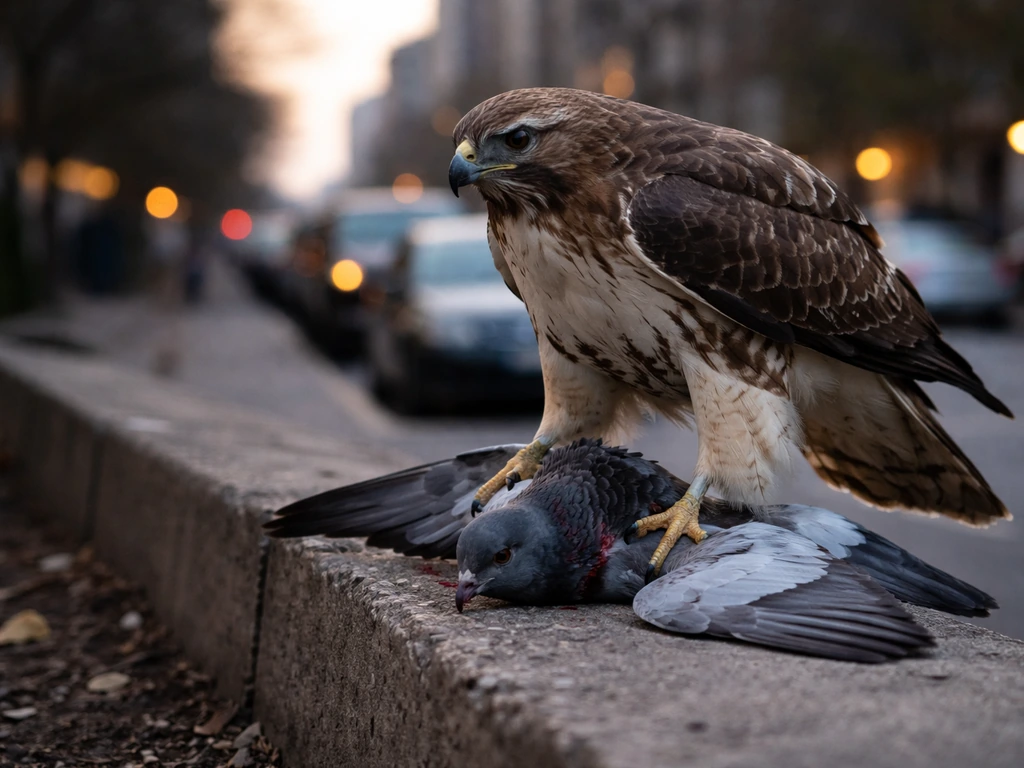
What Bird Eats Pigeons? Common Predators and Proof
Learn which birds eat pigeons, how to ID predators, and what to do to protect yards, pets, and feeders safely.
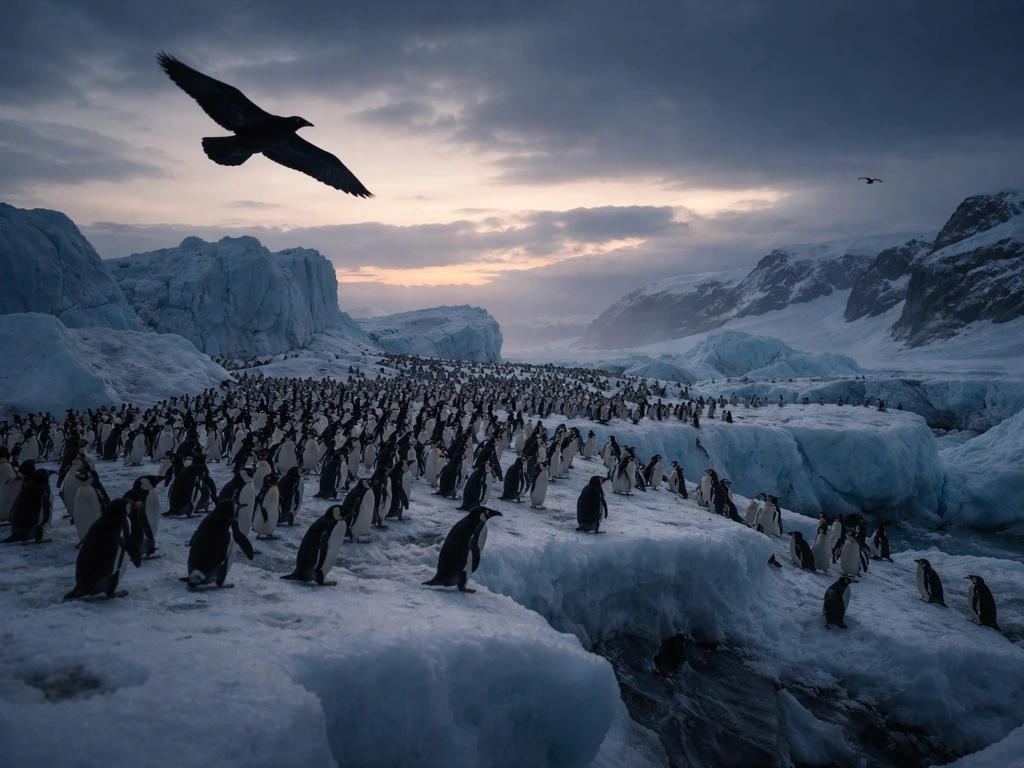
What Bird Eats Penguins? Likely Predators and How to Tell
Identify which birds prey on penguins, where it happens, how to spot clues safely, and which myths to ignore.
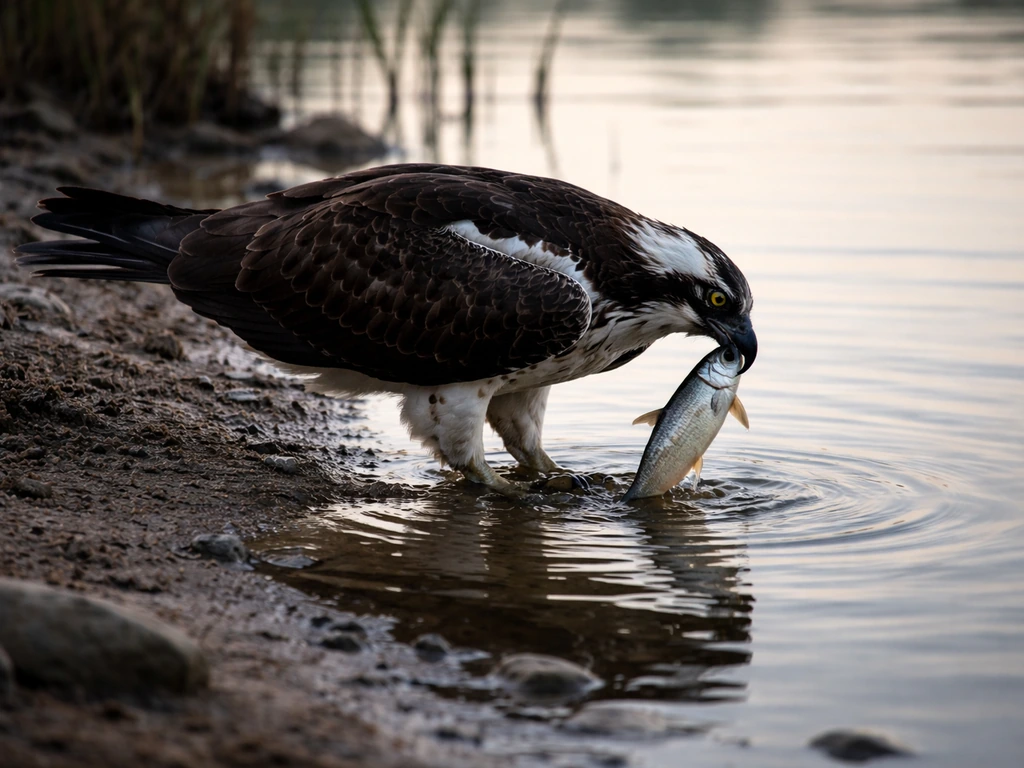
What Bird Eats Fish? Top Fish-Eaters and How to Identify Them
Top fish-eating birds near water and field ID tips, plus how to confirm safely without attracting risky wildlife.